










Museo de Sitio Xólotl
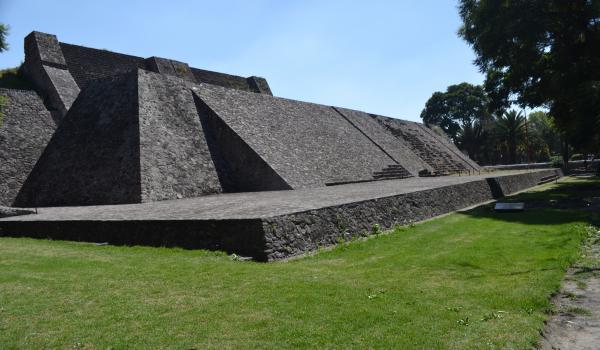
The first Chichimec city in the Valley of Mexico, before they settled in Texcoco. An impressive pyramid has two temples on the top dedicated to Tlaloc and Huitzilopochtli, inspired by the great Teocalli of Tenochtitlan. The museum reconstructs the city and narrates its history from the twelfth century A.D.
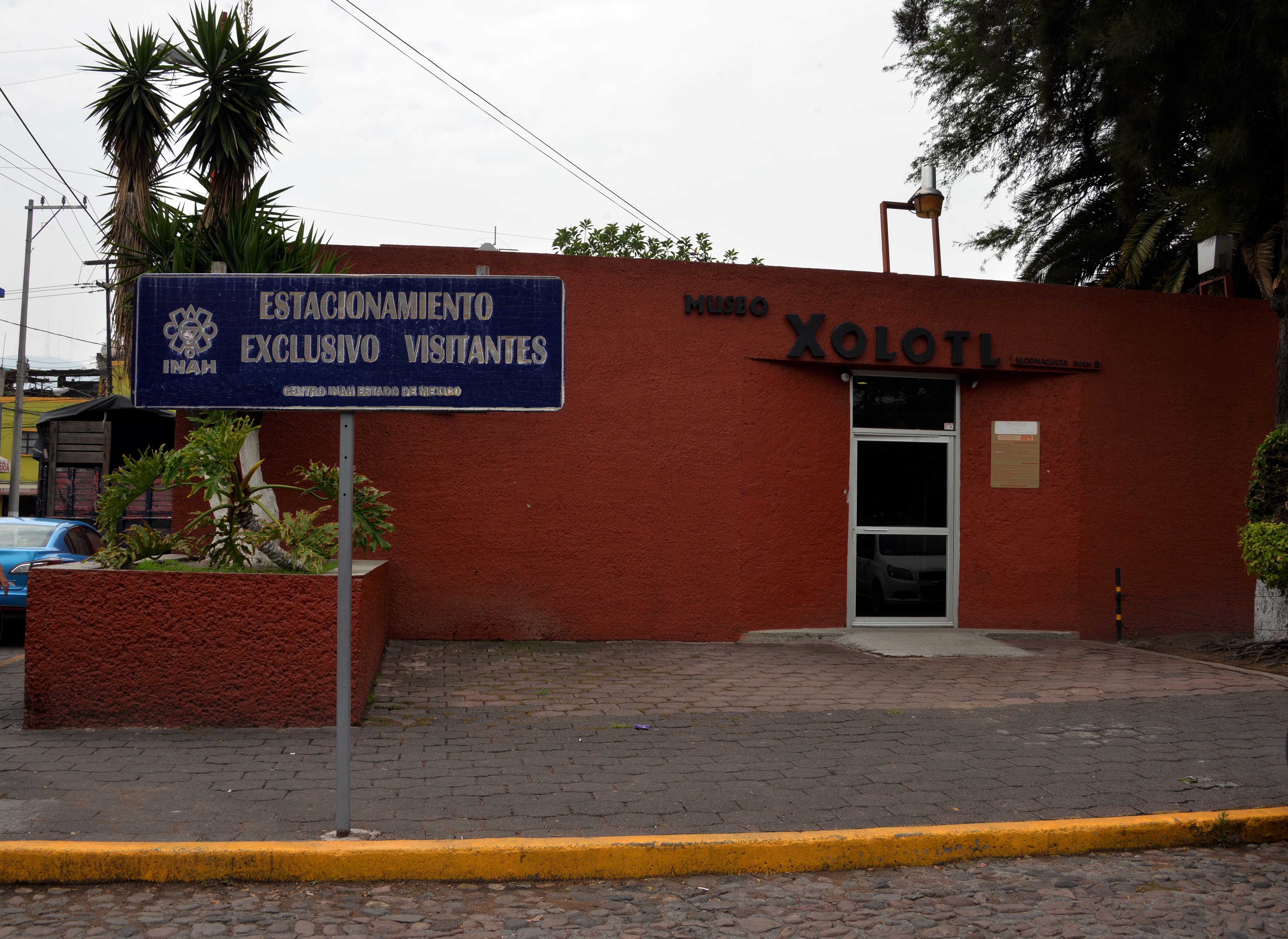
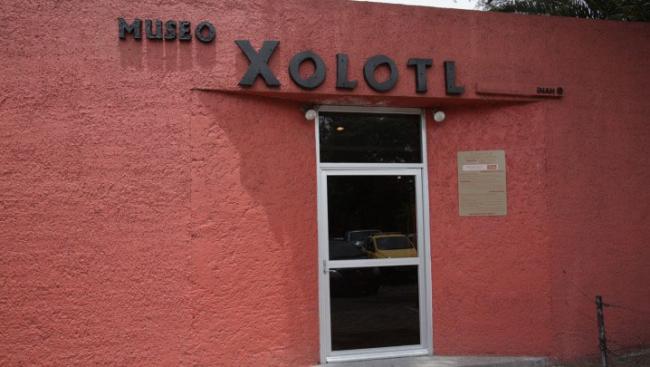
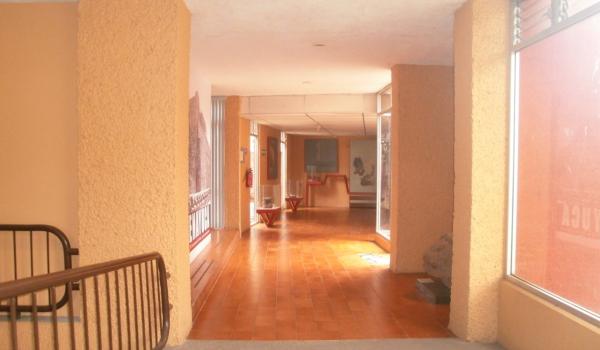
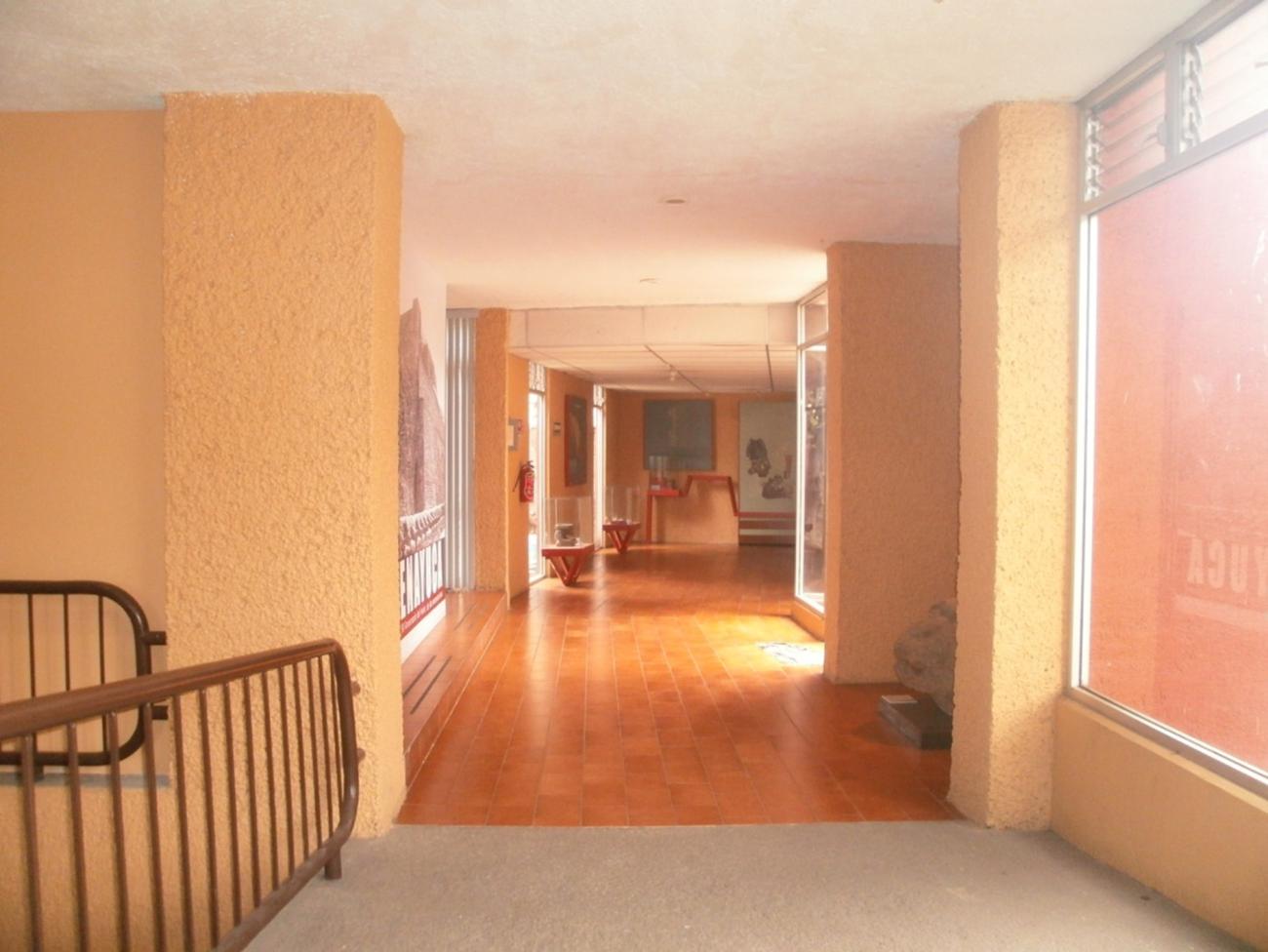
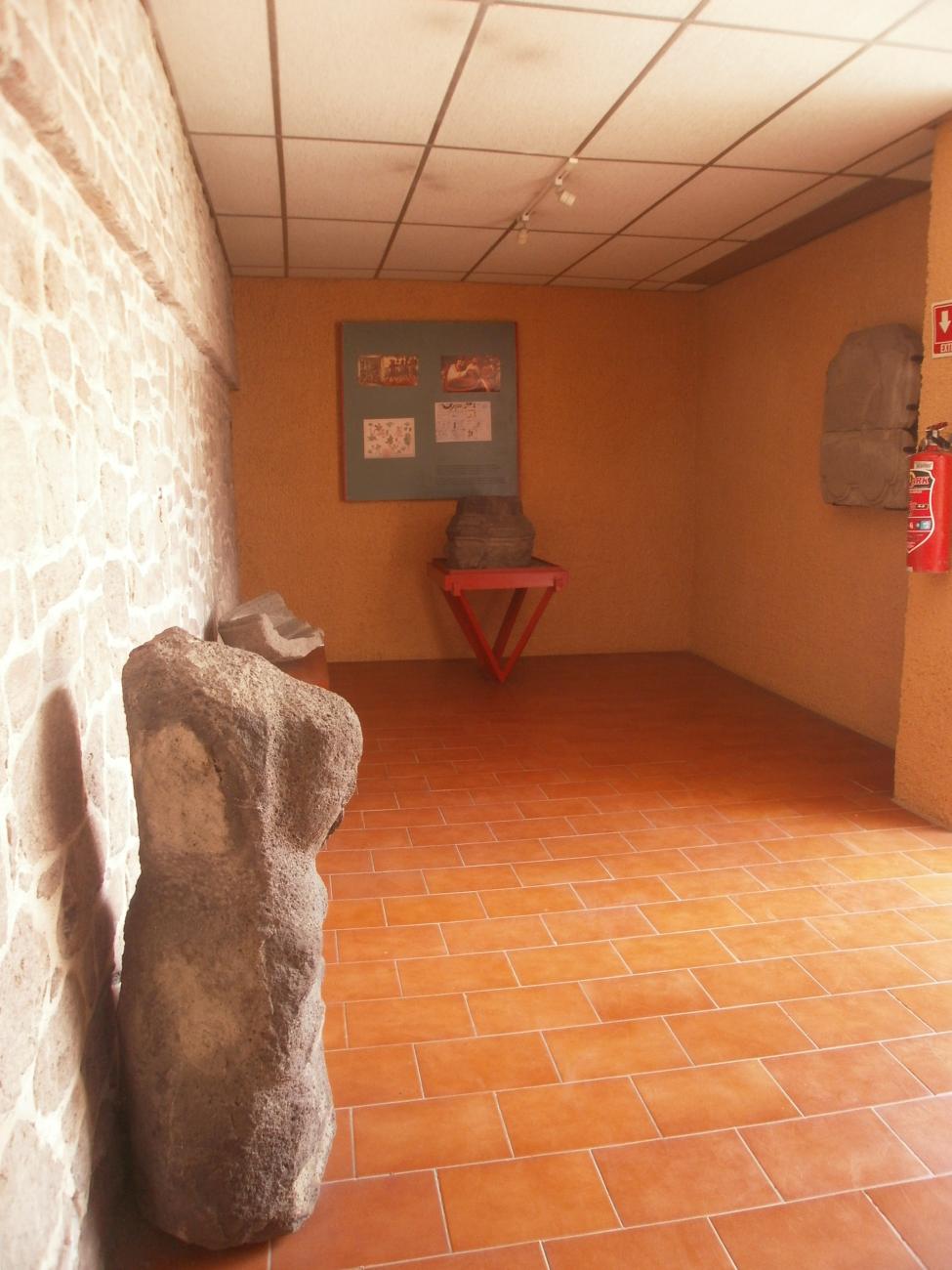
The Xolotl site museum is on the Tenayuca archeological site. Its collection illustrates the history of the north of the basin of Mexico from the Preclassic to the viceregal period.
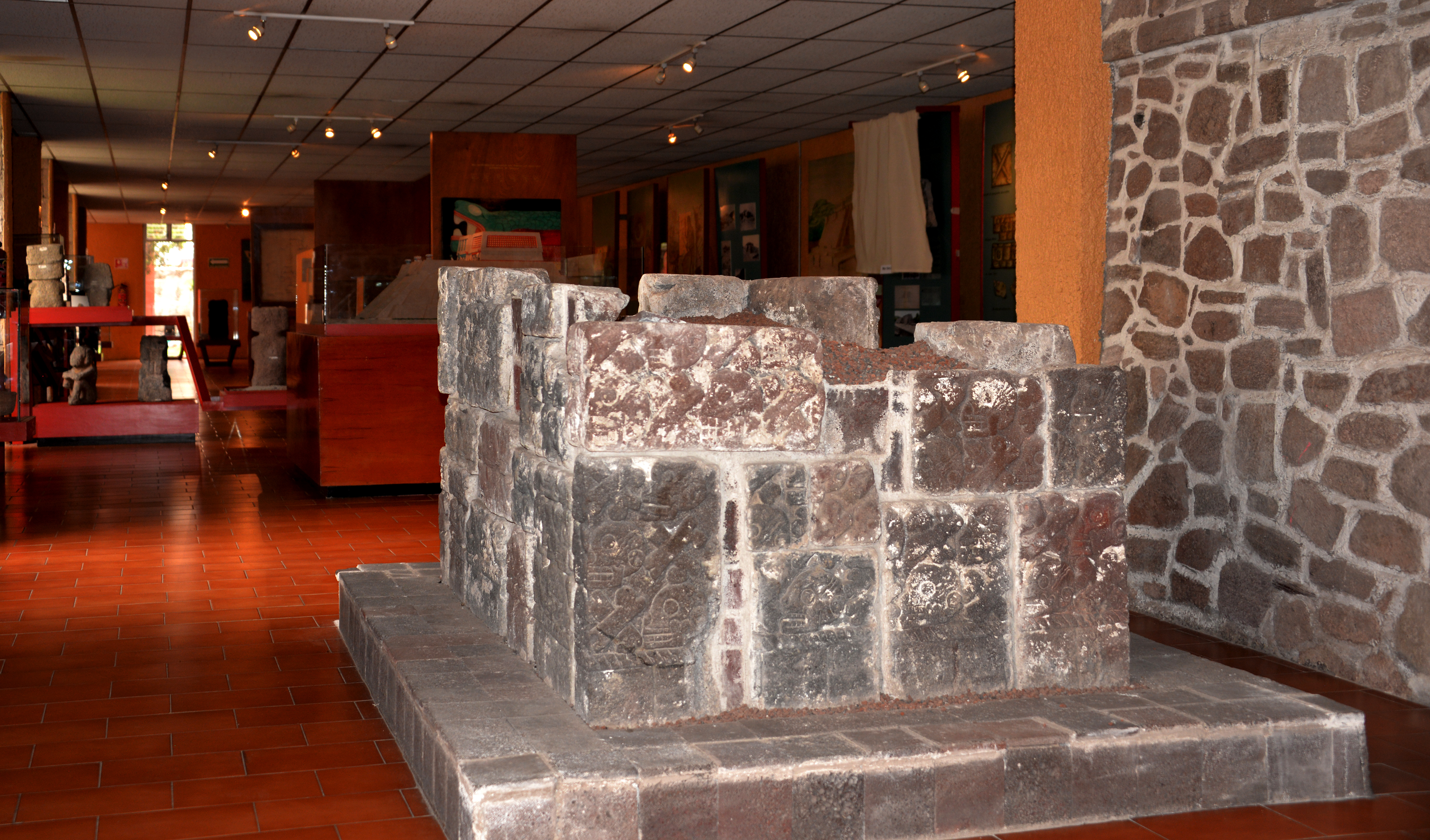
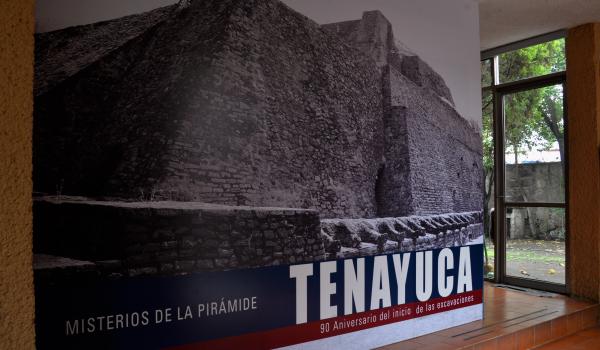
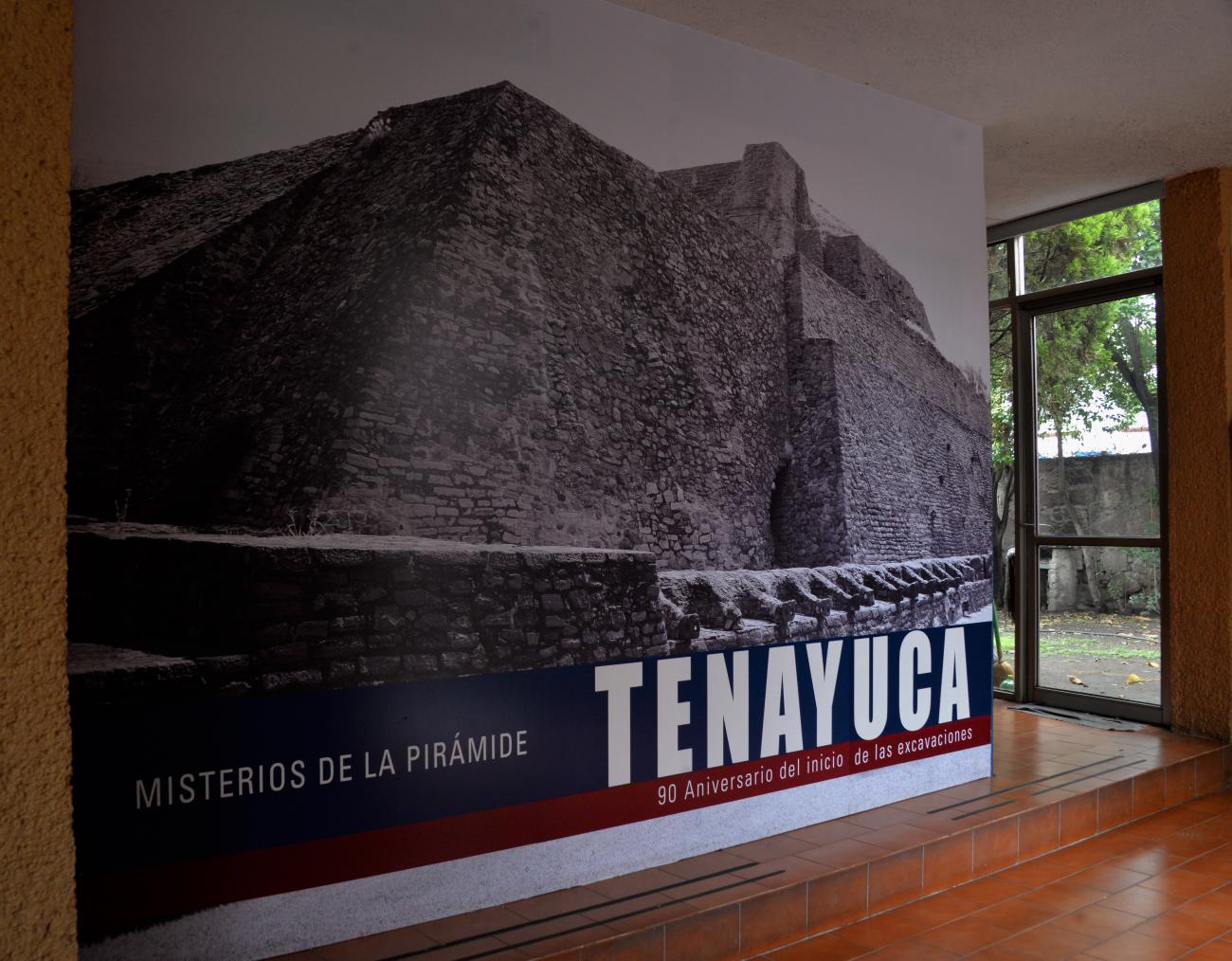
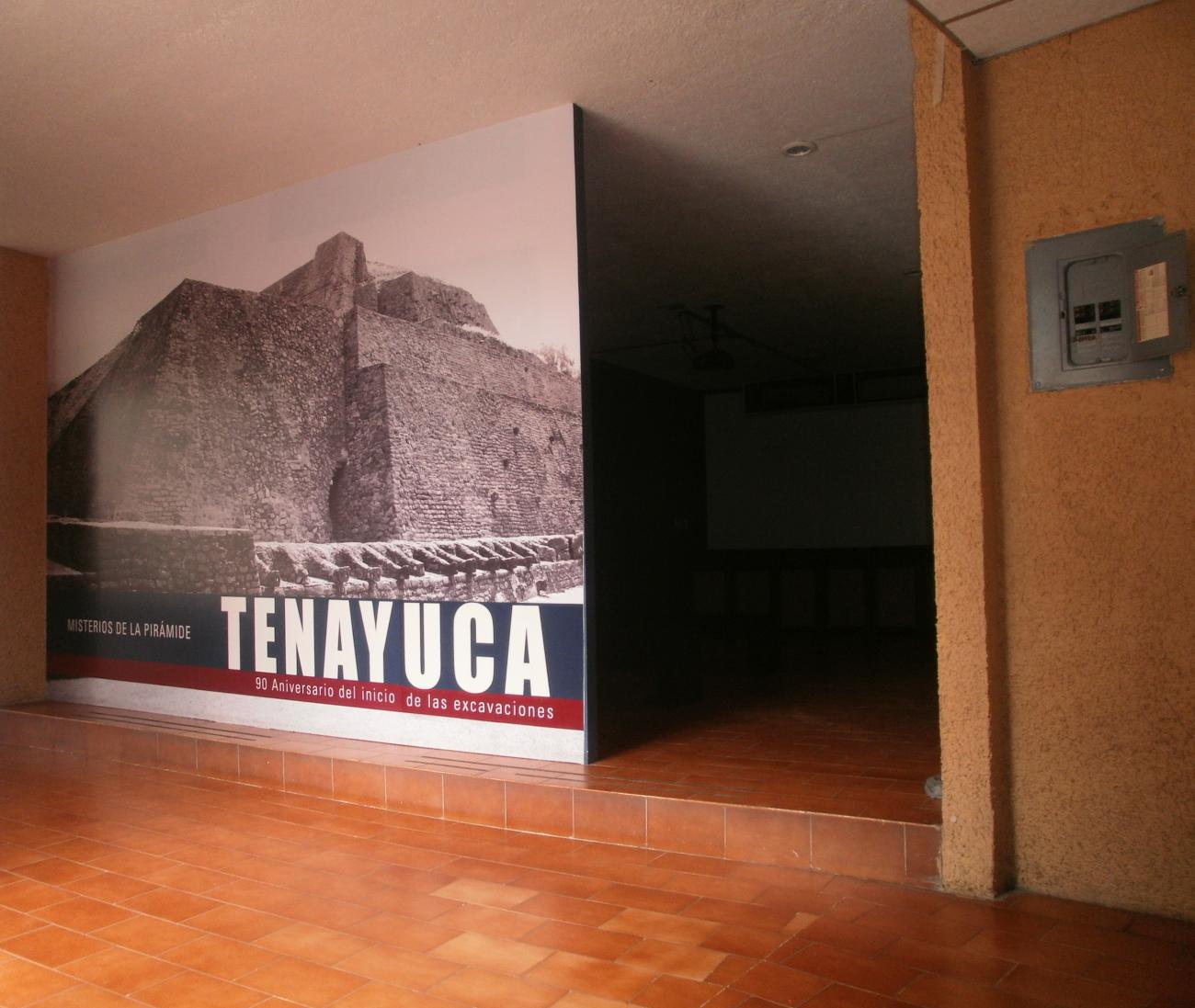
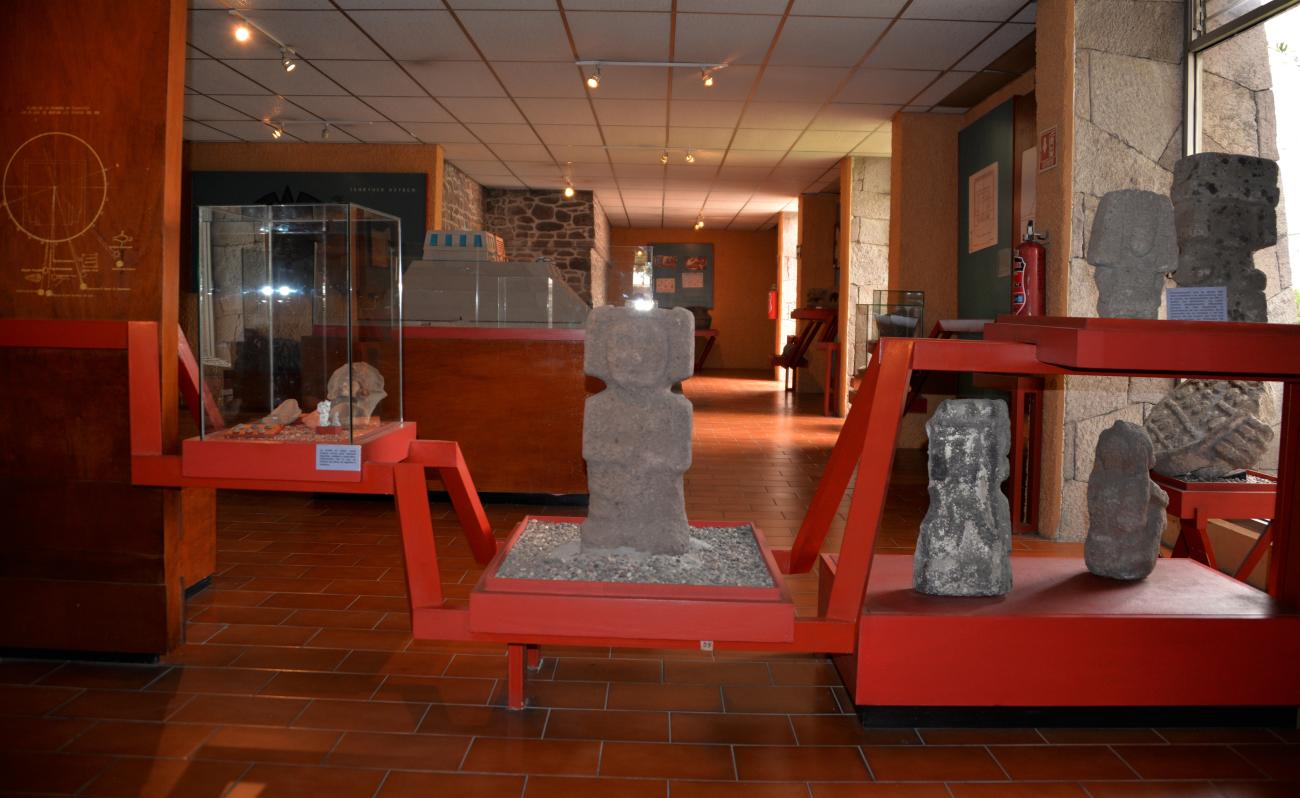
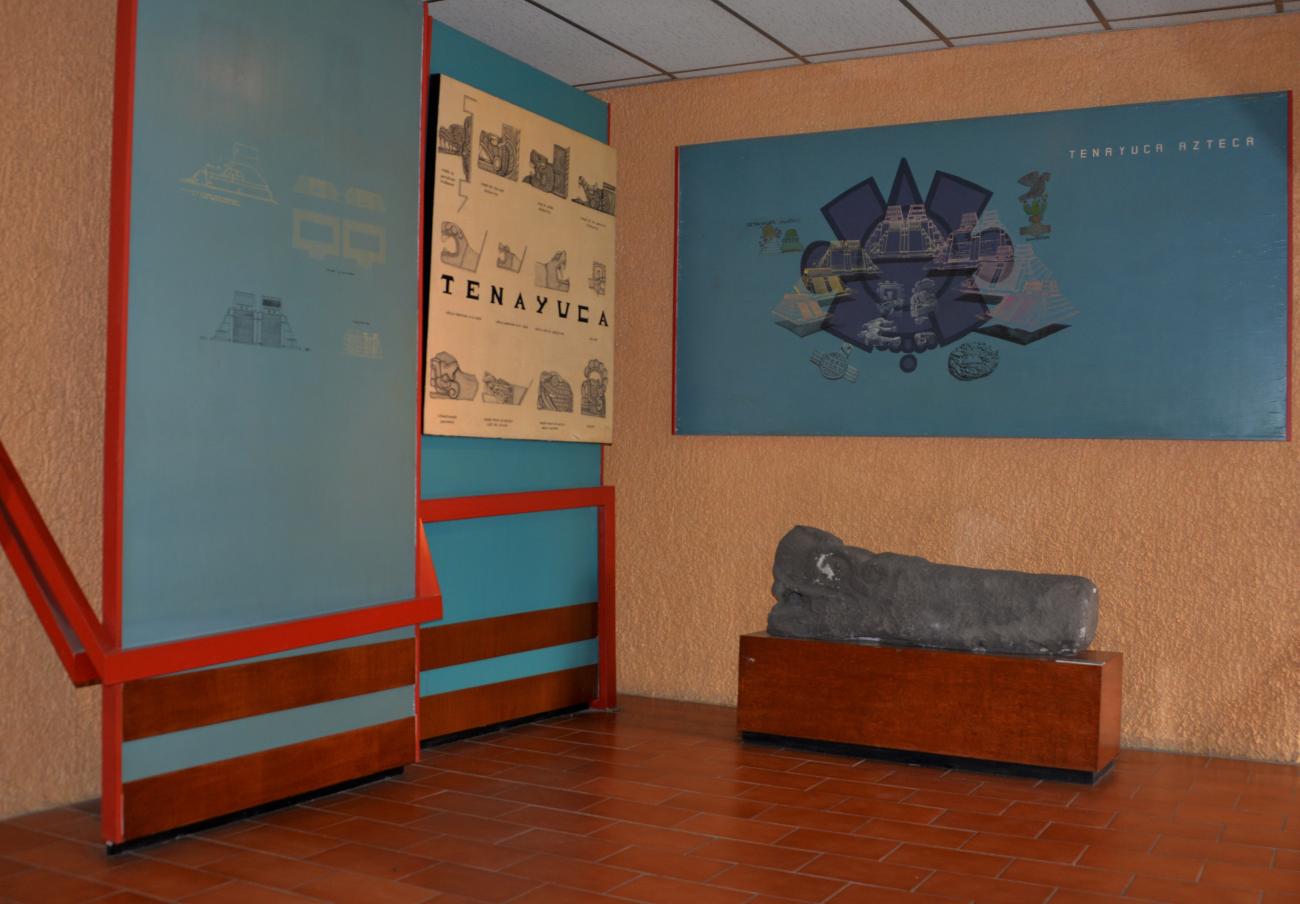
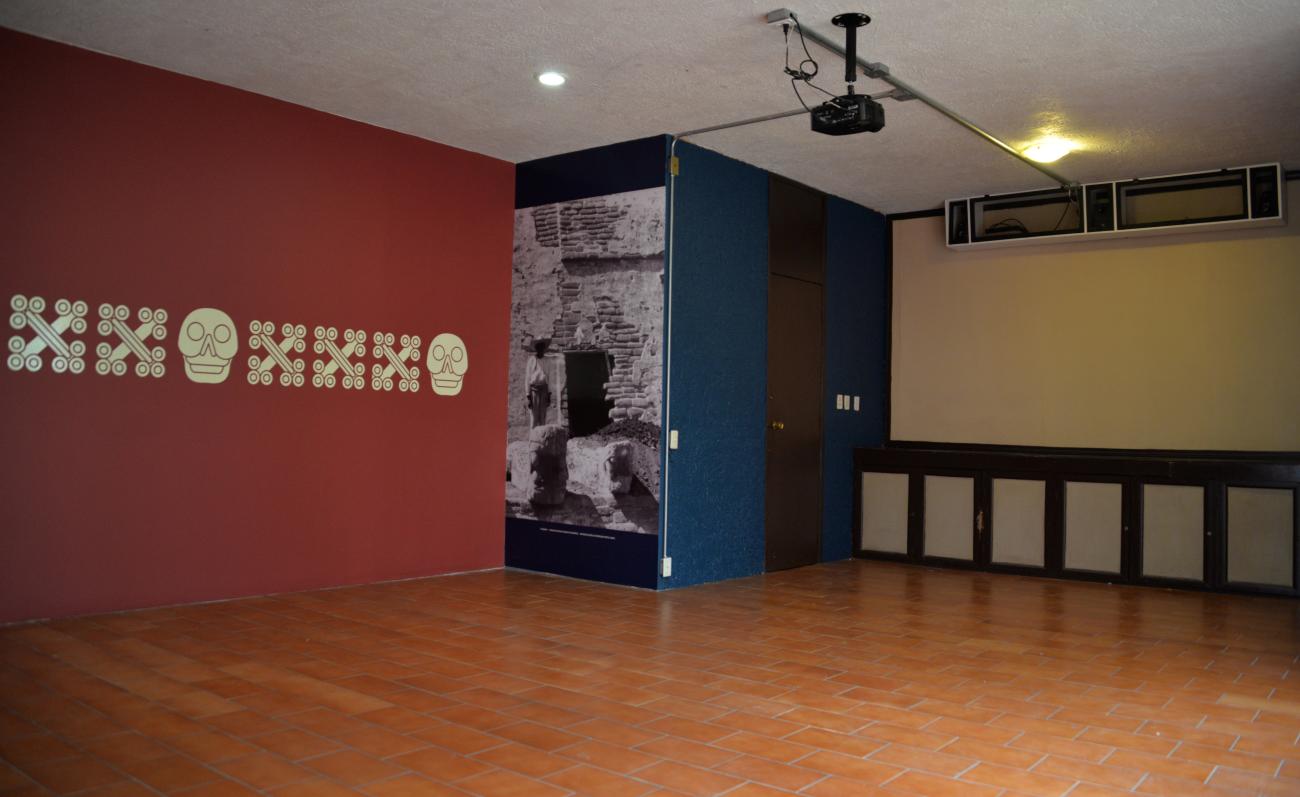
When the excavations of the ceremonial center of Tenayuca concluded in 1930, a small museum was built with illustrations, plans and a model to explain the building stages and architectural characteristics of the recently discovered monument to visitors. Sculptures and vessels found during the excavations were also displayed.
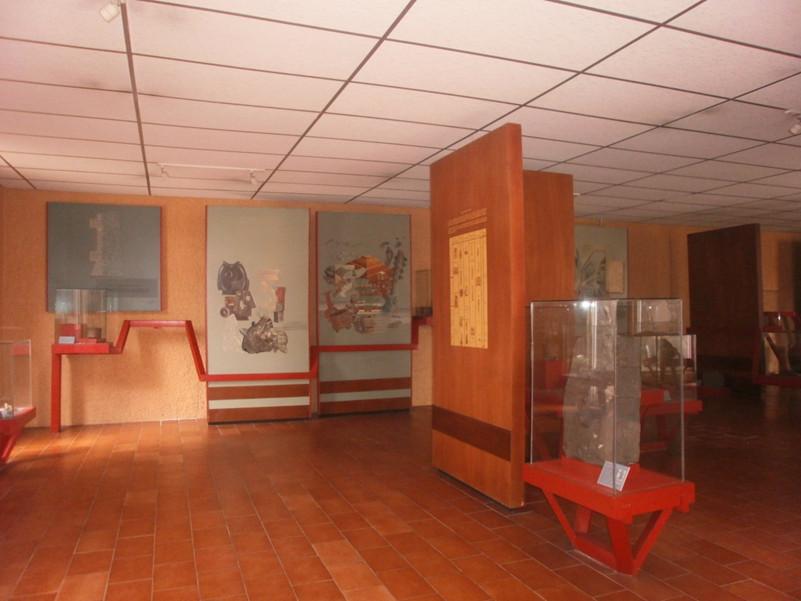
In the 1980s a larger space was built to update the information and a new exhibition covering the pre-Hispanic and viceregal periods was set up. The collection covers the Preclassic, Classic and Postclassic periods. The majority of the space is dedicated to this latter period, since this was when Tenayuca reached its peak. The exhibition ends with a short explanation of the viceregal period, including pieces representative of the period.
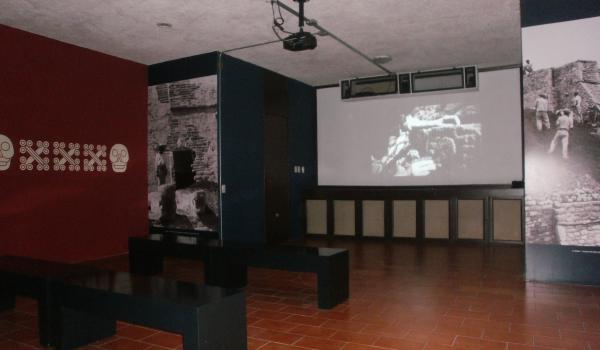
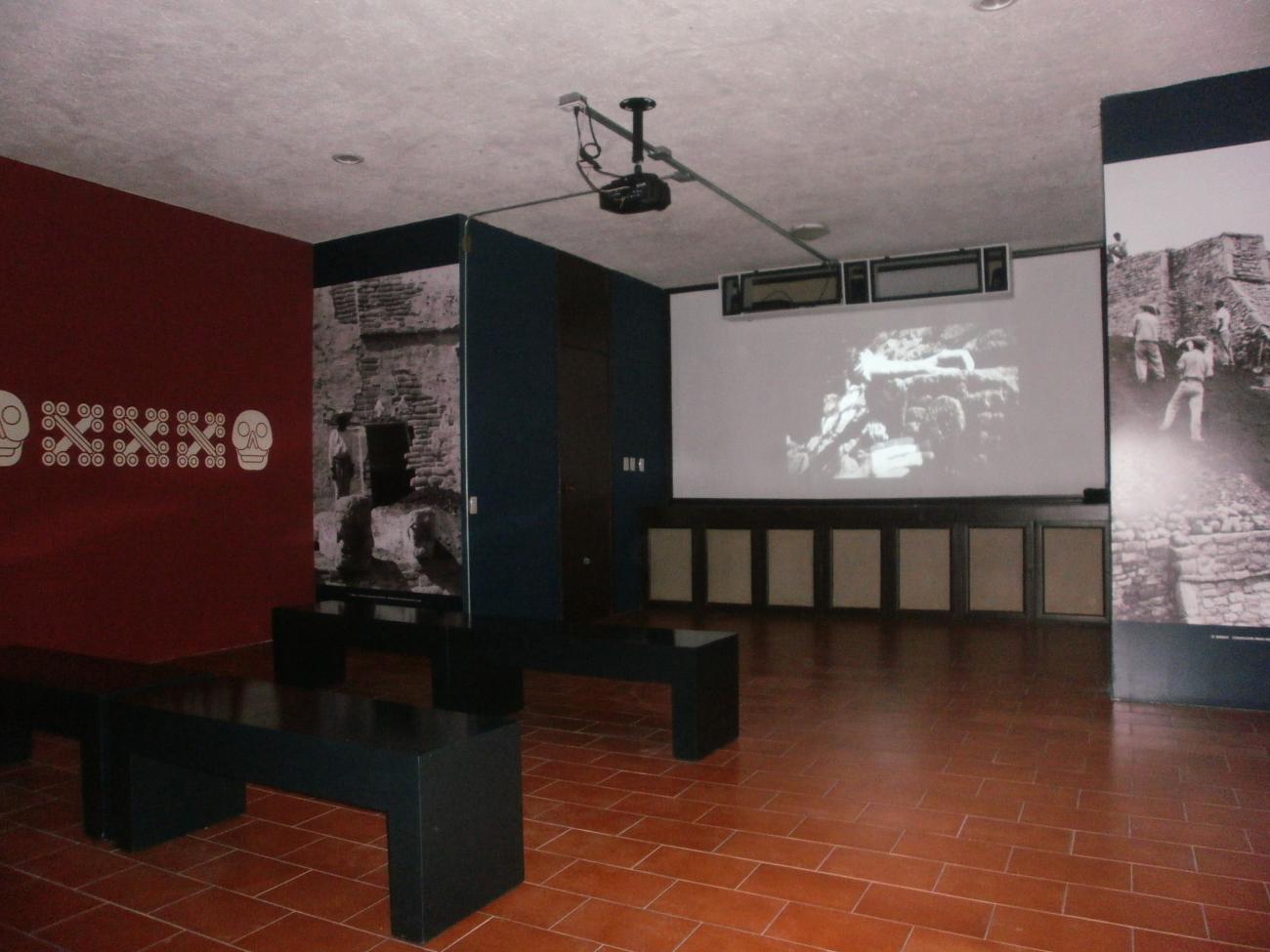
The museum has a permanent exhibition gallery as well as an audio-visual space with daily screenings of a documentary in Spanish on the search for Tenayuca’s past, which brings together the story of the pre-Hispanic settlement and of the excavations which began in 1925.
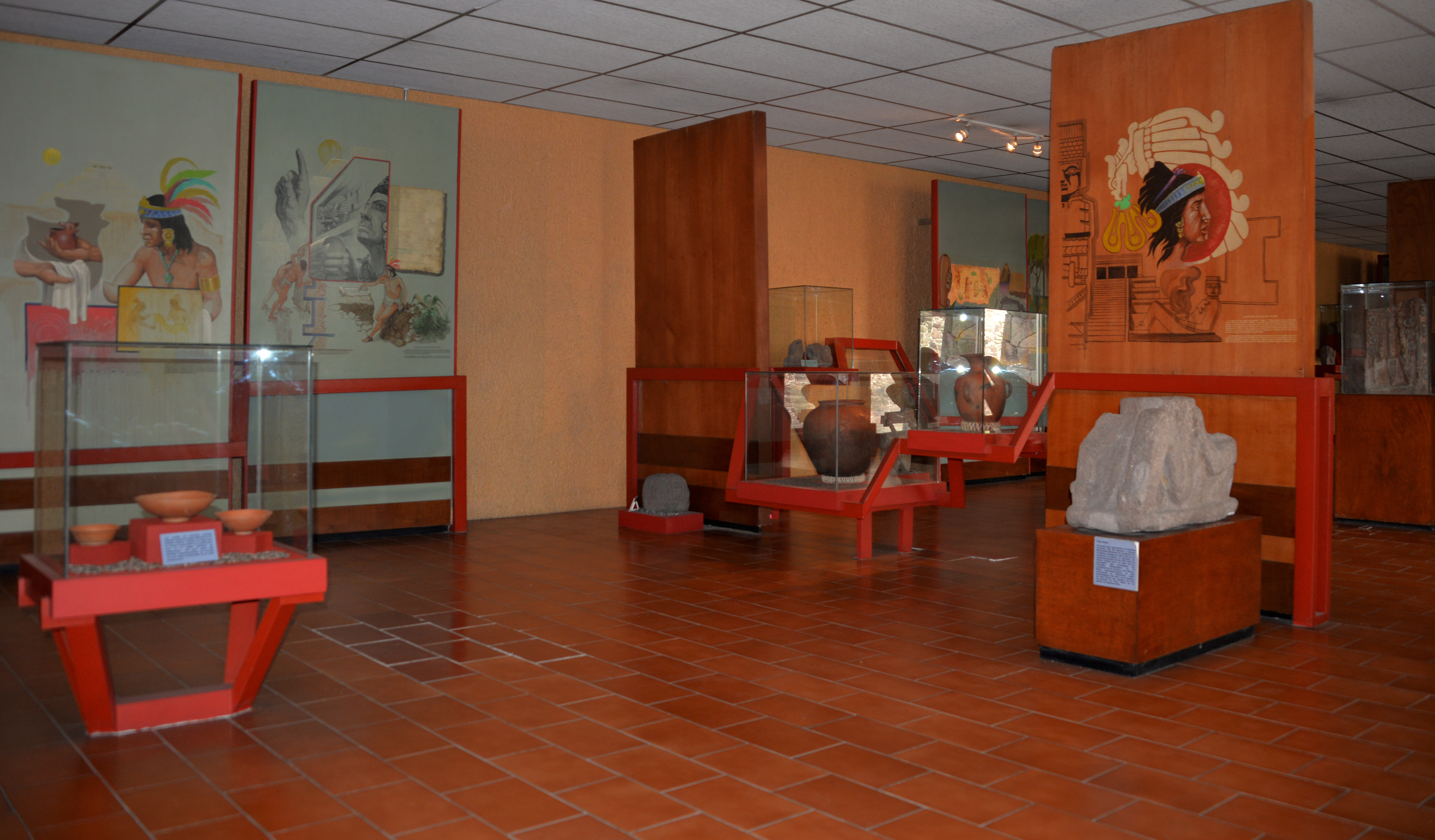
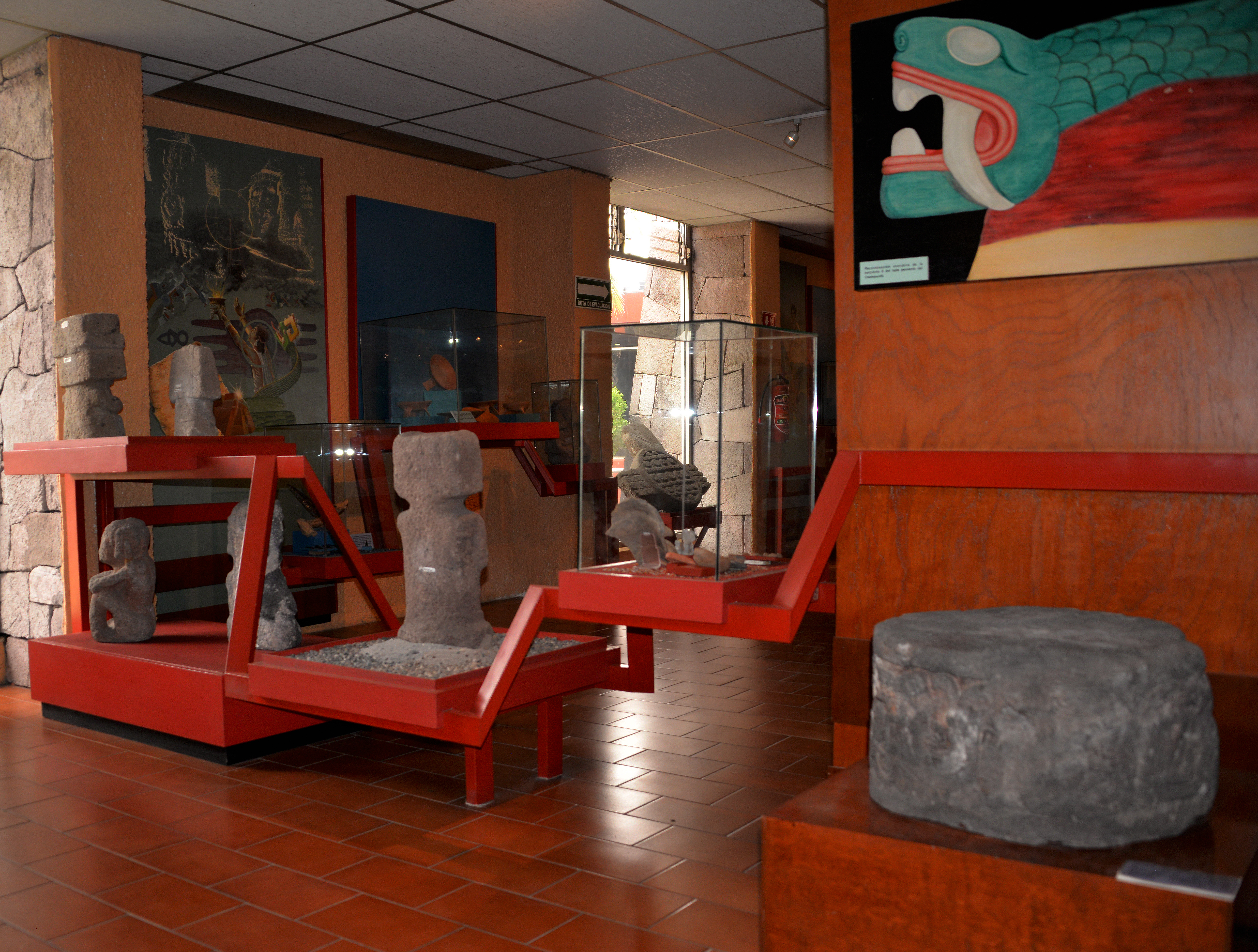
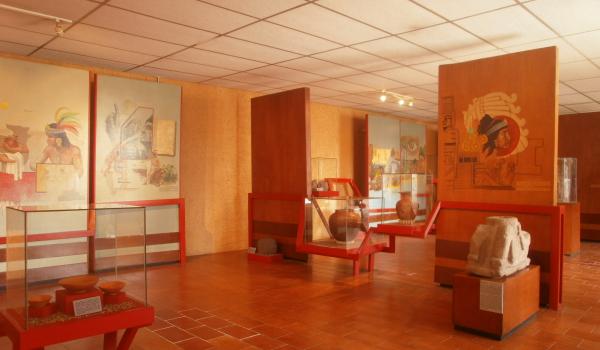
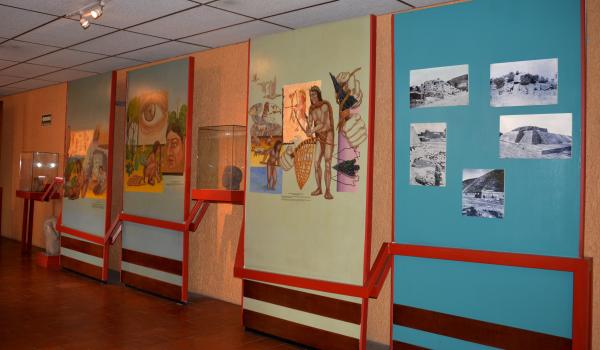
The collections feature pieces found when the archeological monuments of Tenayuca were excavated, with pieces from other sites providing additional material on the historical development of the settlements of the basin of Mexico. There are Preclassic period figurines, vessels from Teotihuacan, earthenware pots and drinking vessels from the Postclassic, anthropomorphic and zoomorphic sculptures representing deities, as well as symbolic elements such as chimallis or shields, a zacatapalloli or representation of a bale of hay and a xiuhmopilli, or the binding of the years. One of the highlights of the Xolotl Museum is its collection of paintings recreating scenes from daily life.

Classic Period
This section features significant ceramic vessels from the time when Teotihuacan was the dominant political and cultural center of Mesoamerica. Its influence can be seen in architectural styles and pottery designs.
Classic Period
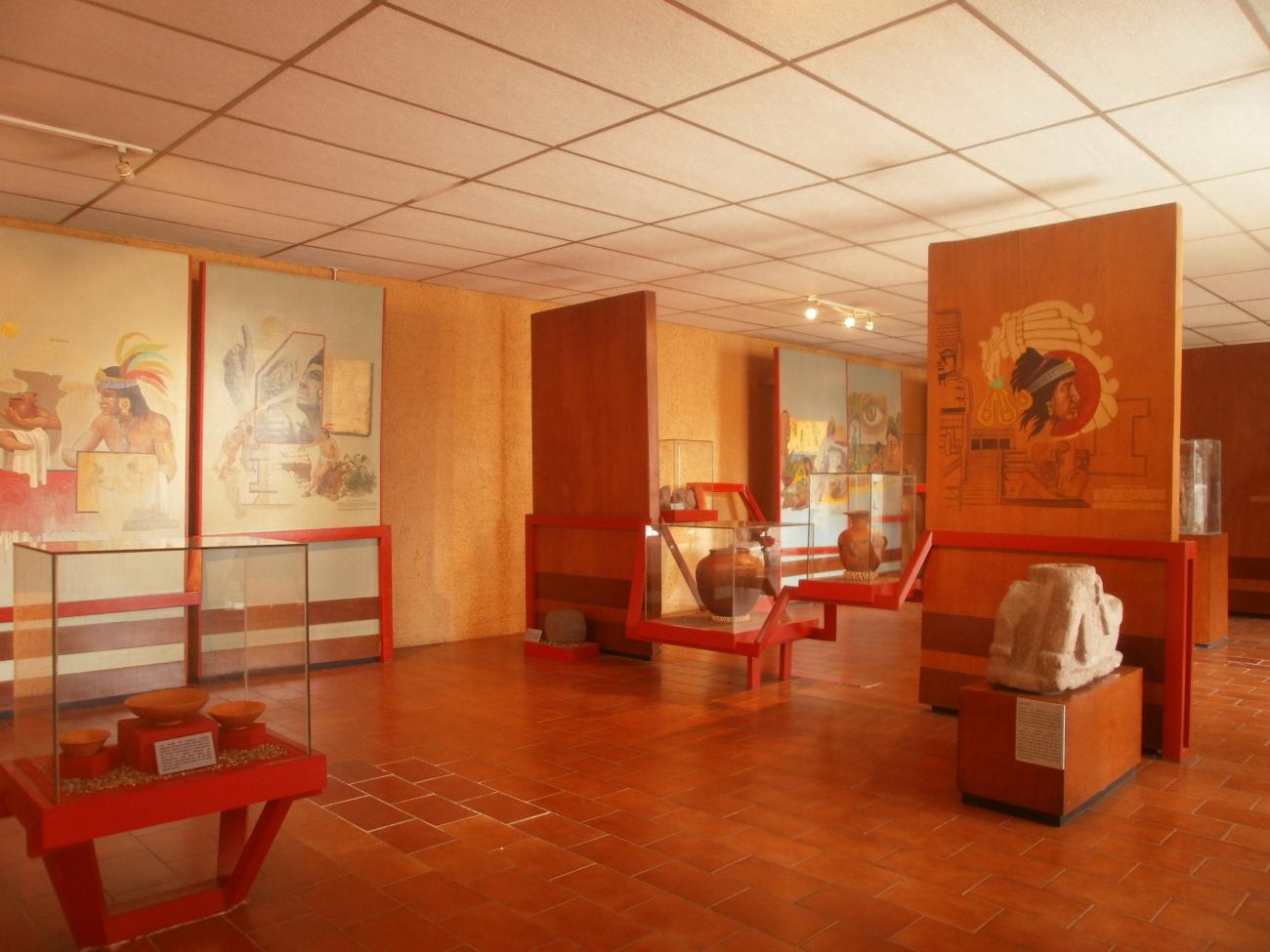
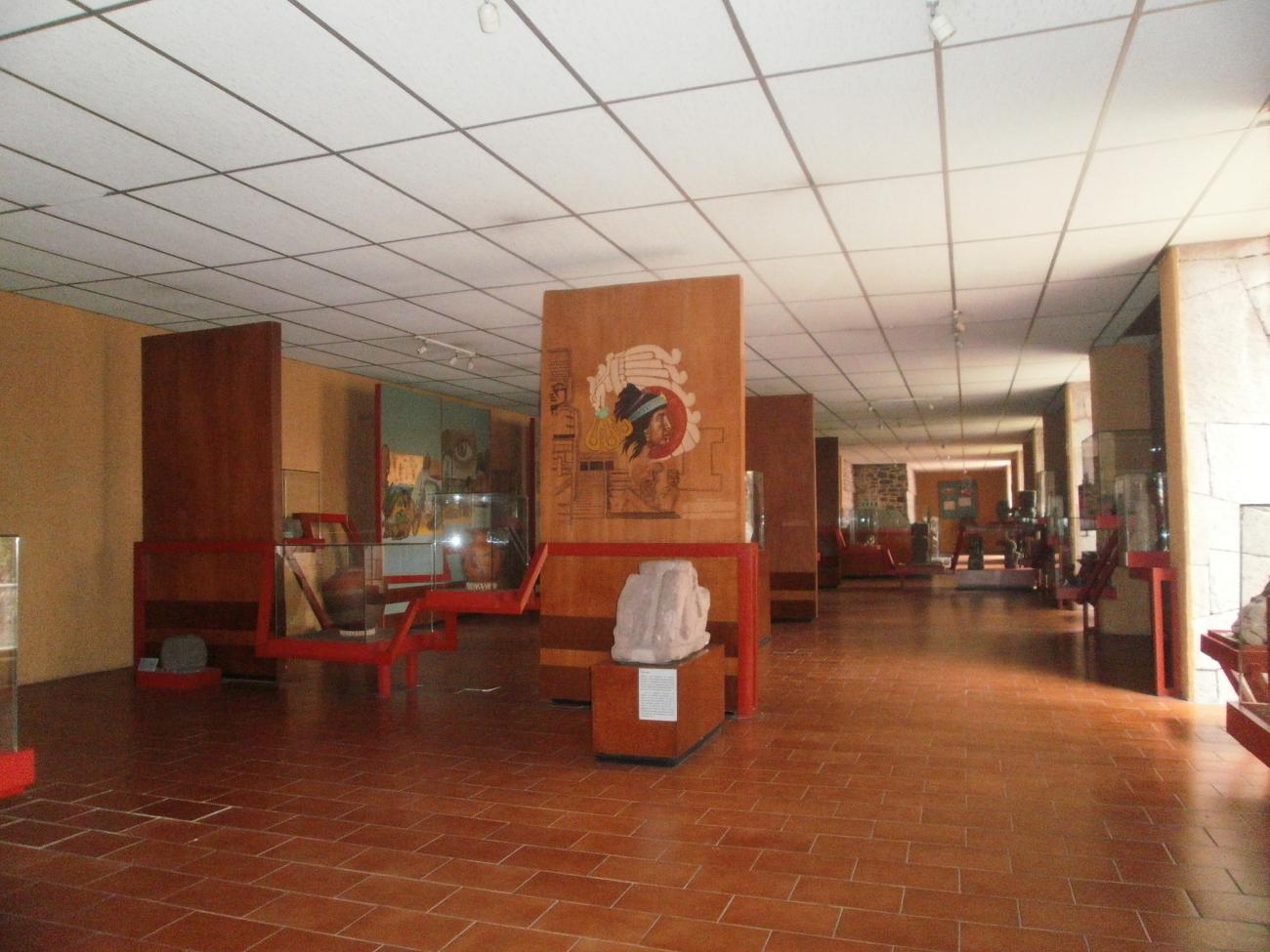
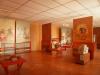
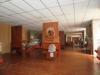
This section features significant ceramic vessels from the time when Teotihuacan was the dominant political and cultural center of Mesoamerica. Its influence can be seen in architectural styles and pottery designs. Among the objects on display are stucco-decorated, incised tripod cups, orange bowls with small ring bases, and a vase bearing the image of Tlaloc, the god of rain.
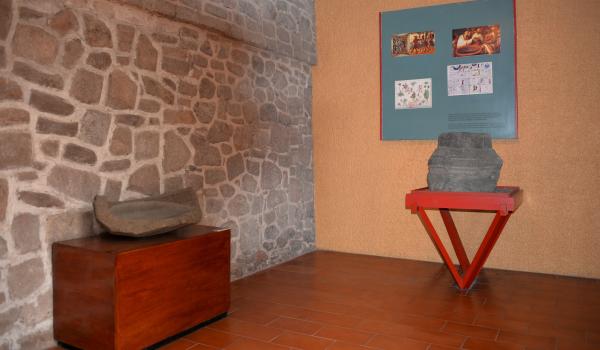
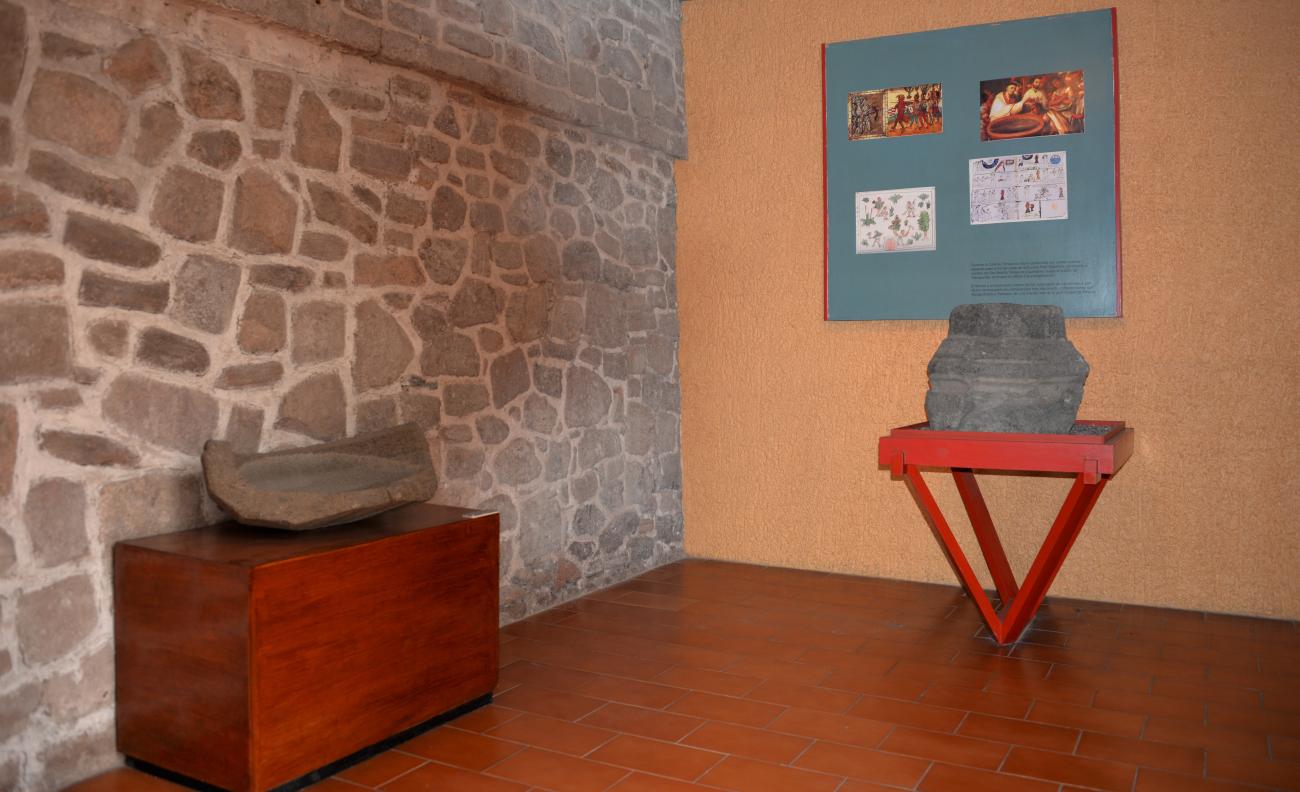
Postclassic Period
This section begins with the arrival of the Chichimeca peoples to the Basin of Mexico around the year 1250. It was under the leadership of Xólotl that Tenayuca was founded, and to this group are attributed the earliest ceremonial center constructions.
Postclassic Period
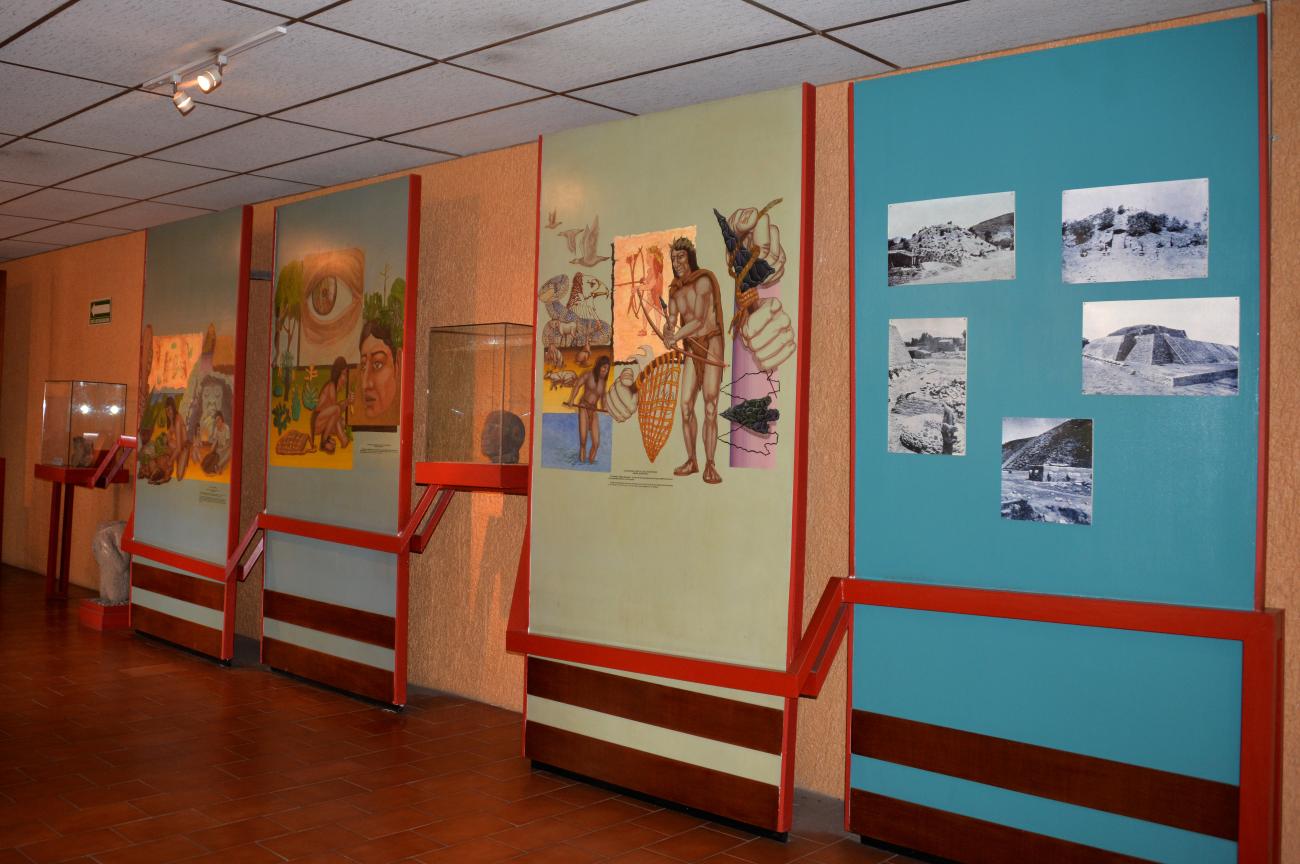
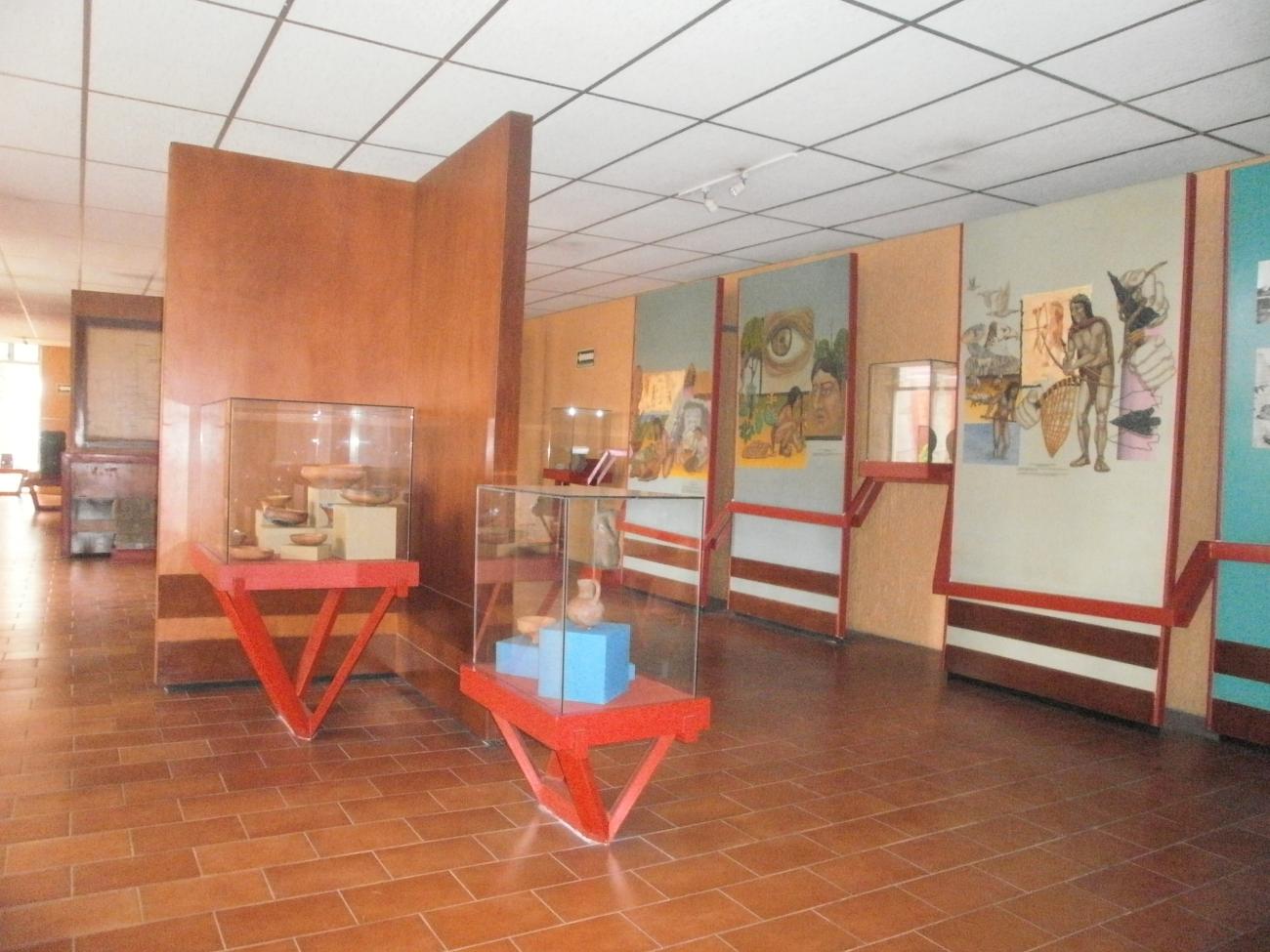
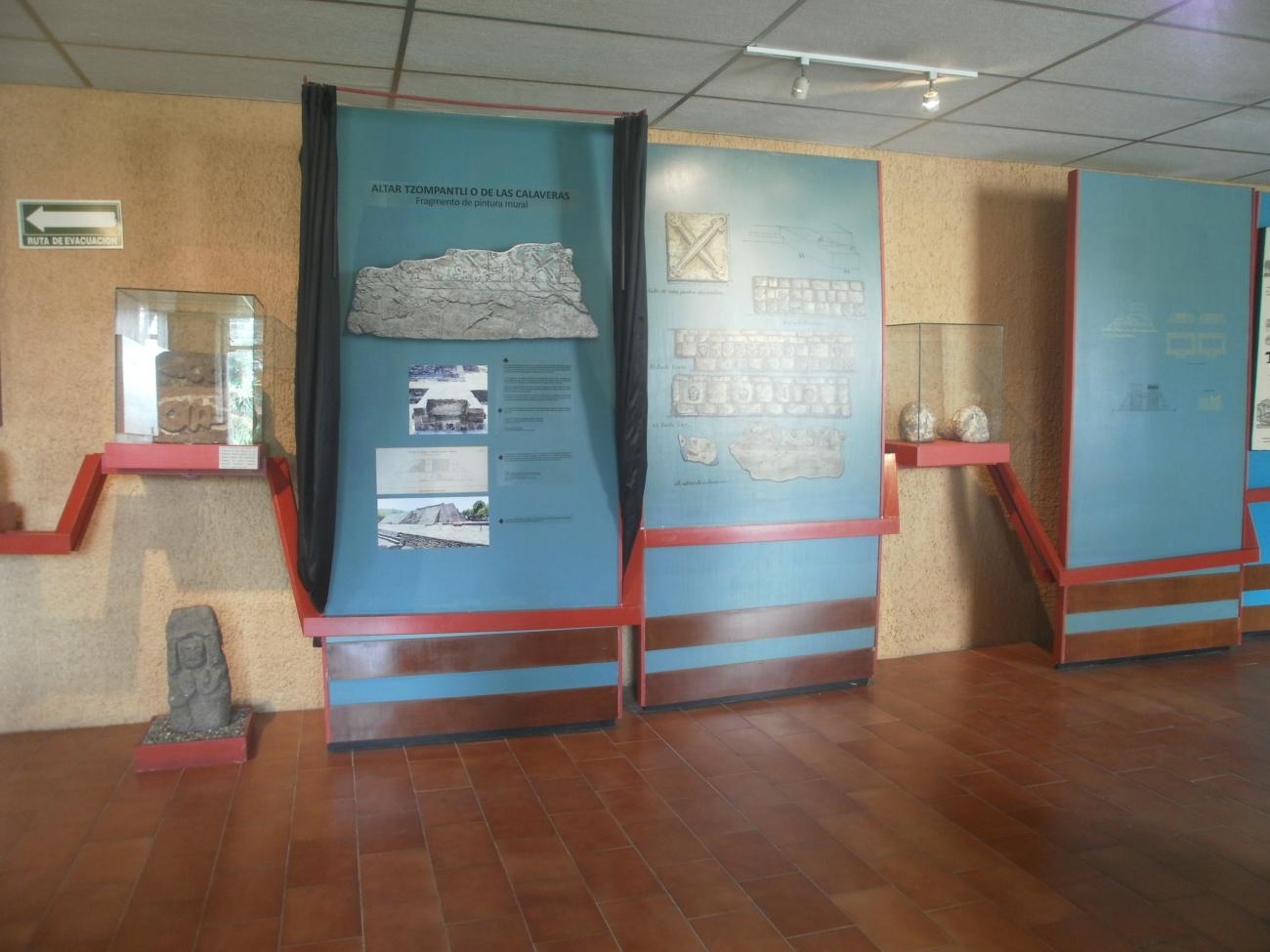
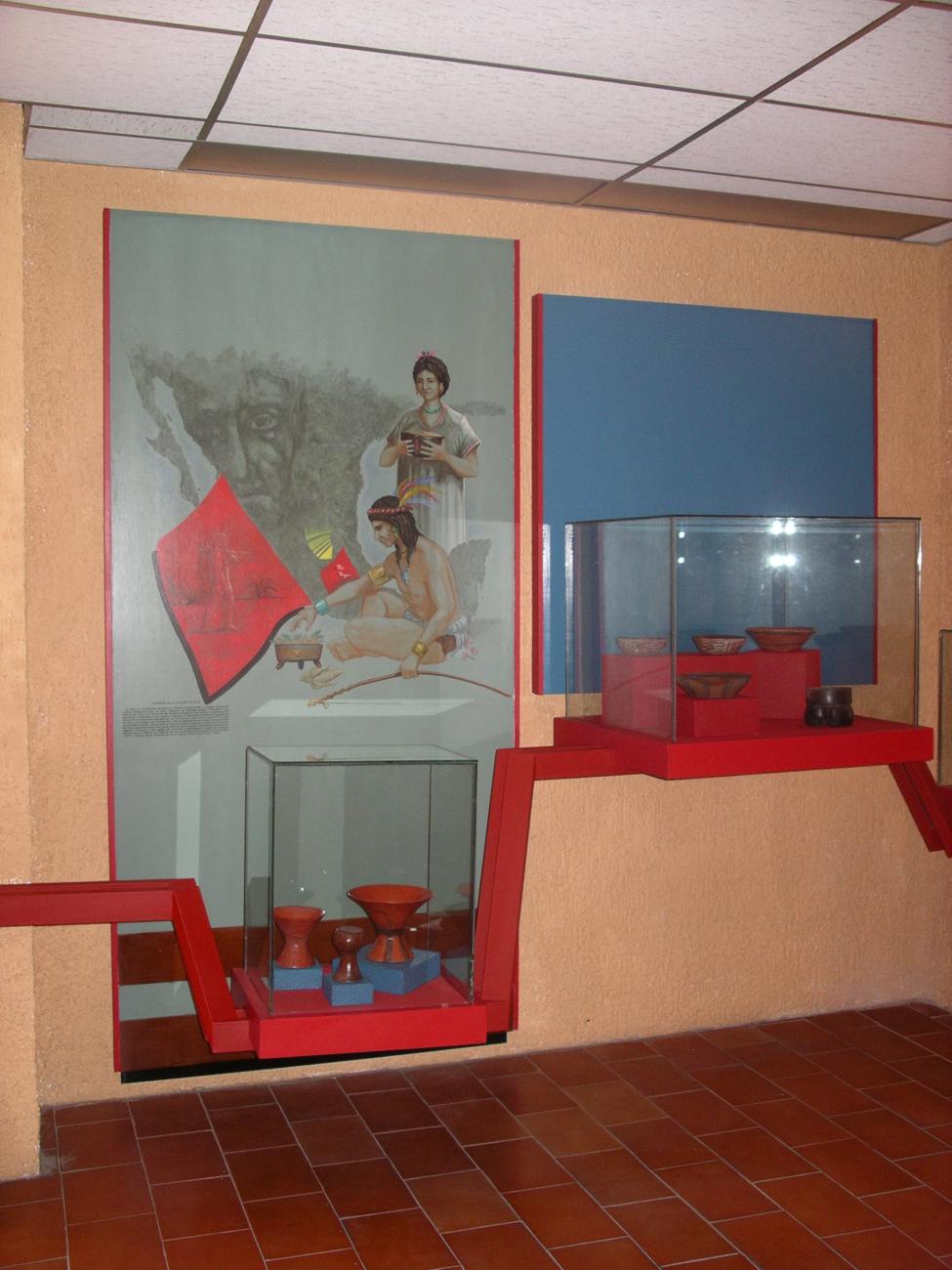
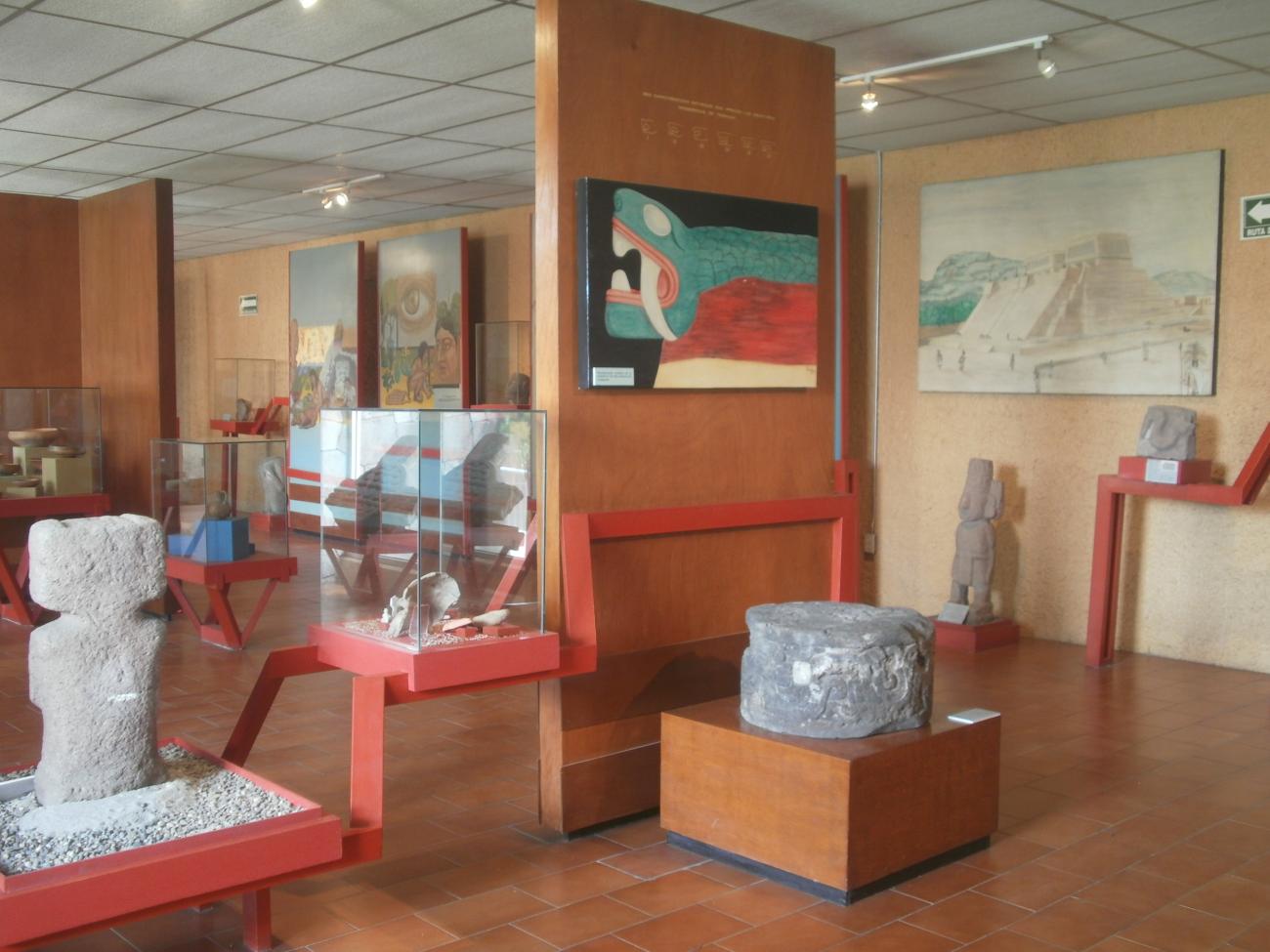
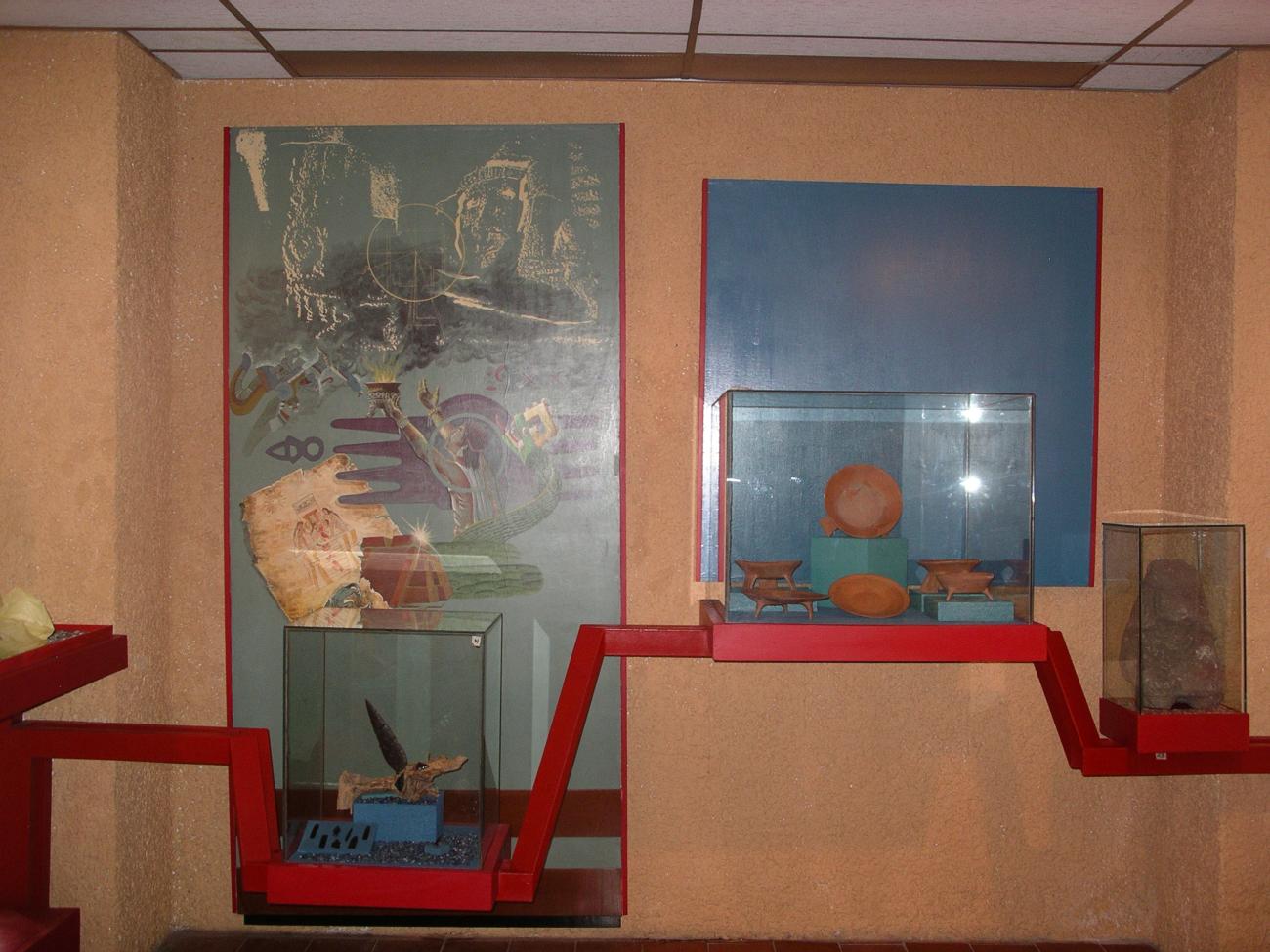
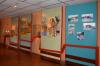
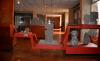

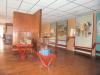

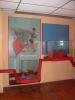
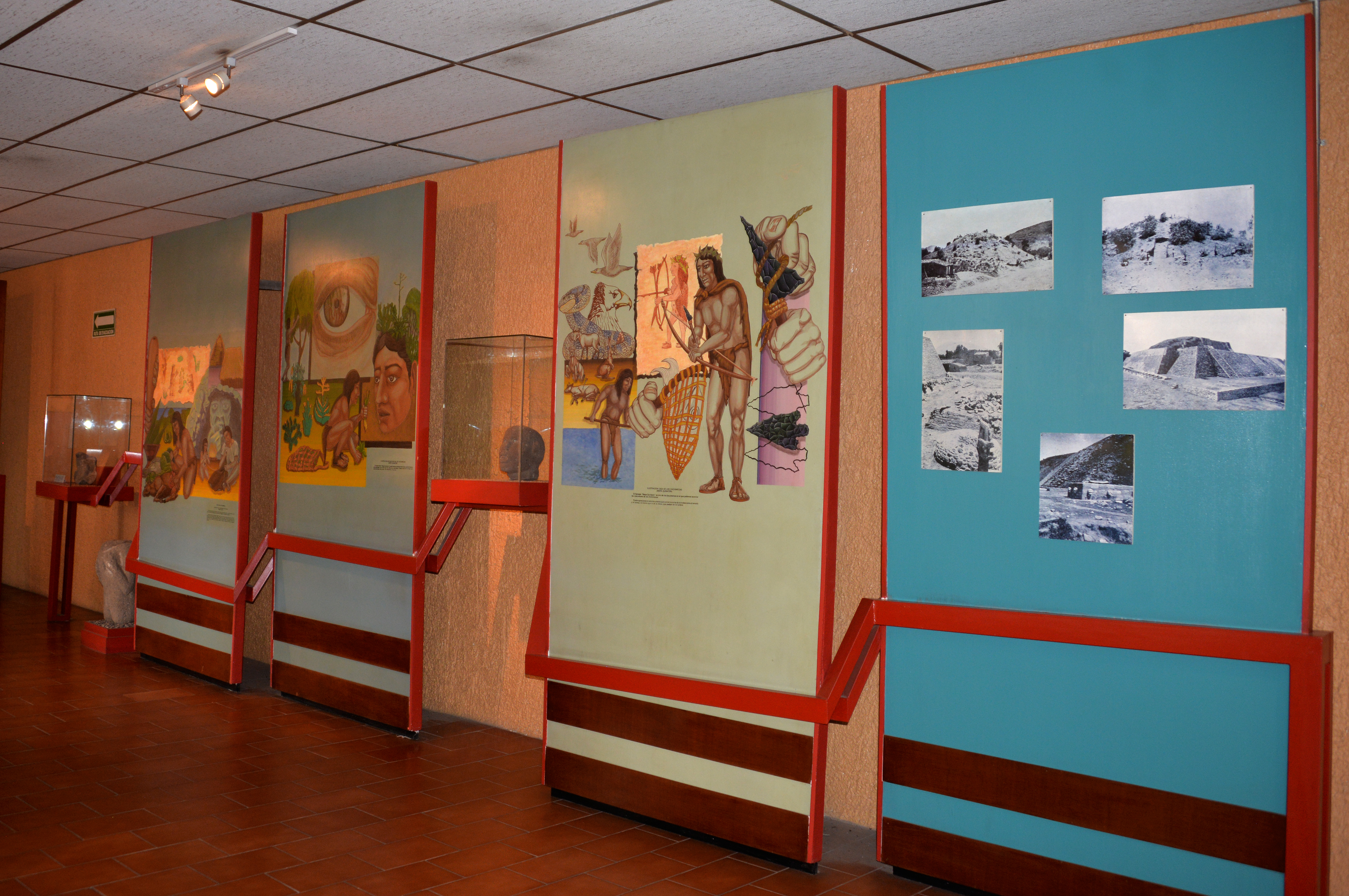
This section begins with the arrival of the Chichimeca peoples to the Basin of Mexico around the year 1250. It was under the leadership of Xólotl that Tenayuca was founded, and to this group are attributed the earliest ceremonial center constructions. Illustrations show scenes of Chichimeca life: nomadic hunter groups who migrated from the arid north, dressed in animal skins, and lived in caves. A display case presents orange ceramic vessels with black grass-like designs, typical of Tenayuca's early ceremonial phase.
The remainder of the section focuses on the site's period of splendor. It features characteristic orange vessels with black painted designs known as "Azteca III", and red vessels painted in white and black, called "Rojo Texcoco". Among the most notable are pulque cups used in ritual or social contexts.


- ResponsableFrancisco Antonio Osorio Dávilafrancisco_osorio@inah.gob.mx+01 (55) 5391 0780